Why It’s Important to Identify a Faulty Circuit Breaker
Understanding how to tell if a circuit breaker is bad is essential for protecting your home’s electrical system.
Circuit breakers act as safety devices that automatically shut off power when an electrical circuit becomes overloaded, develops a short circuit, or experiences a ground fault.
When a breaker becomes faulty, it may fail to trip properly, allowing too much electrical current to pass through. This can cause overheating, electrical fires, and damage to electrical appliances.
Recognizing early warning signs can help prevent major electrical problems and keep your family safe from serious fire hazards.
Common Signs of a Bad Breaker
Frequent Tripping and Power Interruptions
If your breaker keeps tripping, it’s one of the most common signs of trouble. While occasional tripping is normal—especially during heavy appliance use—frequent tripping may mean the breaker is failing to handle normal current flow.
You may also notice flickering lights or electronics that turn off unexpectedly. These symptoms often occur when an overloaded circuit or short circuit forces the breaker to trip repeatedly. Over time, this constant strain weakens the internal electrical components, turning a once-reliable breaker into a failing breaker.
If your breaker no longer resets or stays in the off position, it’s a clear sign you might need a new breaker.
Visible Damage and Burning Odors
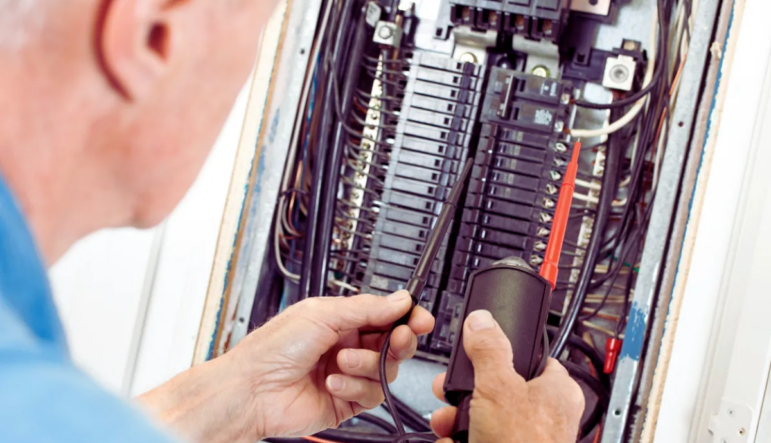
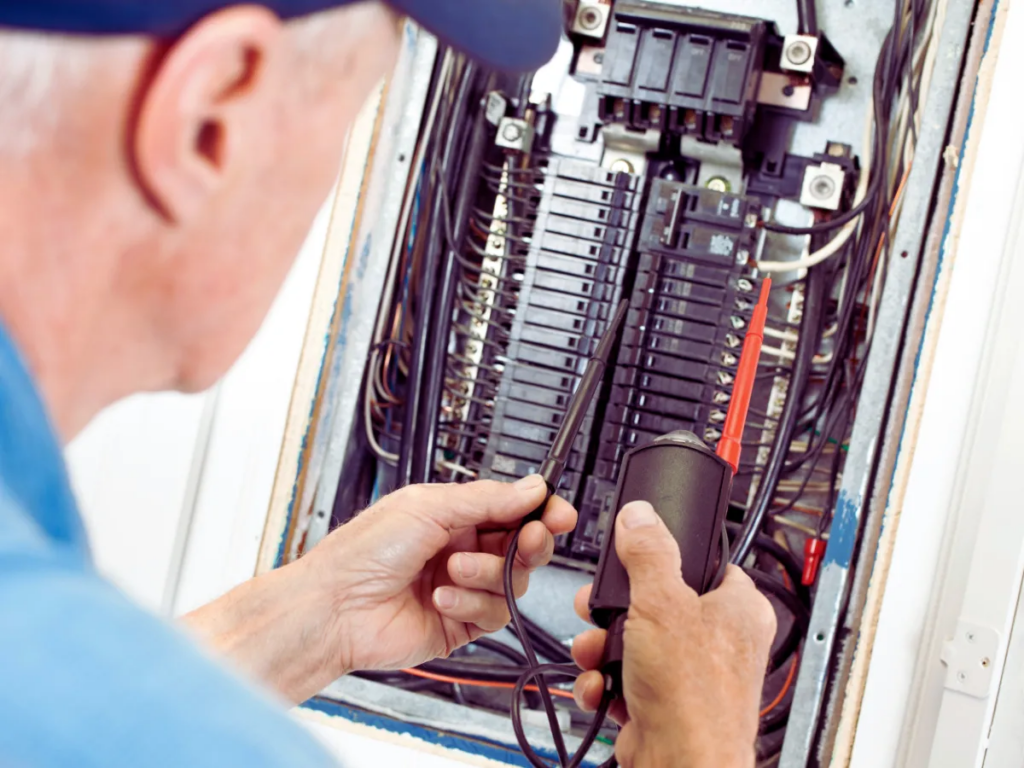
Inspect the circuit breaker box carefully. If you notice visible damage, scorch marks, or the panel cover feels warm to the touch, the breaker is likely compromised.
A burning smell is particularly dangerous—it signals that the breaker or terminal screw may have overheated due to loose connections or faulty wiring.
Never ignore these red flags. Even small wear and tear can escalate into serious fire hazards, especially in older homes with outdated fuse boxes or deteriorating wiring problems. Turn off the main power immediately and contact a licensed electrician to inspect the panel.