Whole-house surge protection is a system installed directly at your main electrical panel to stop high-voltage spikes from damaging your home’s electrical devices. In the Chicago area, power surges are rising due to storms, aging infrastructure, and increased energy use.
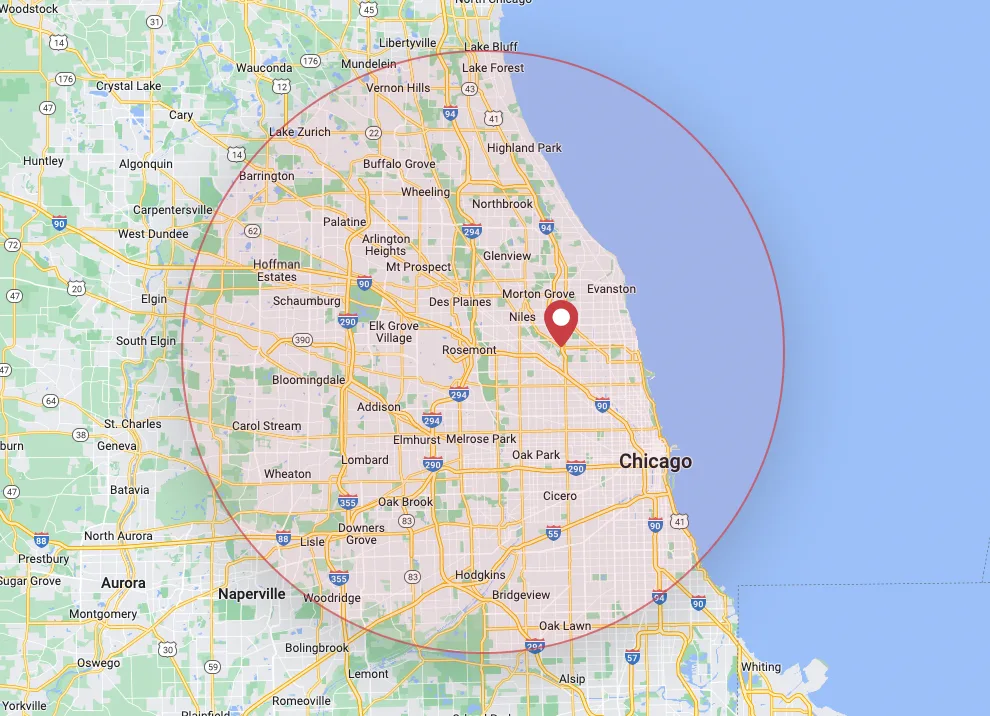
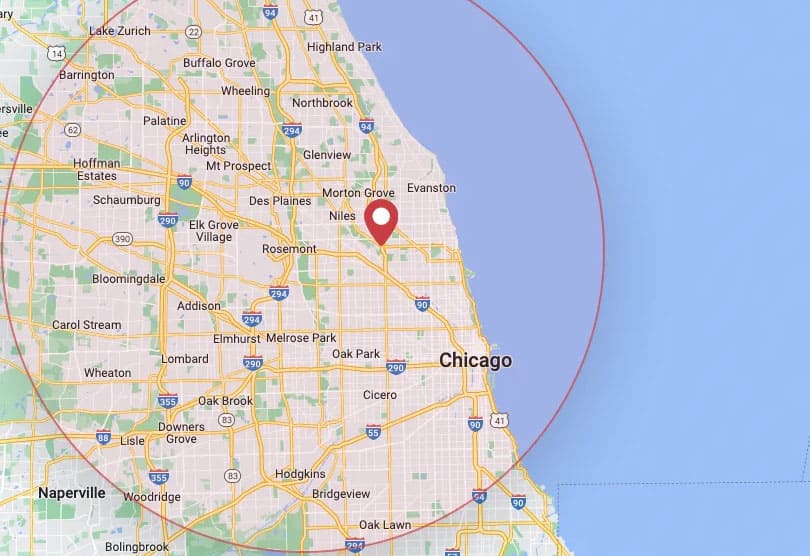
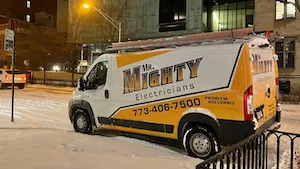
That’s why more homeowners are choosing professional installation. Mr. Mighty Electric provides whole-house surge protection services across Chicago and nearby suburbs.
Book Our Service
Whole-house surge protection works by blocking excess voltage before it reaches your home’s wiring. These devices are installed at your main electrical panel and act as a gatekeeper for your home’s entire electrical system.
Unlike power strips, which protect only a few plugged-in devices, whole-house protectors cover everything inside your home. Surge strips wear out quickly and provide limited coverage. Panel-mounted protectors offer full-system defense and longer-lasting protection.
Chicago’s power grid is under pressure. Between ComEd service disruptions, severe storms, and older electrical systems, surges are more frequent.
Summer heatwaves push air conditioners hard, while winter brings sudden spikes when heaters kick on. These daily events cause micro-surges that damage electronics over time.
According to local data, the average home experiences over 20 mini-surges per day. If you’re in Chicago or nearby suburbs, surge protection is no longer optional. It’s a necessity.
A whole-house surge protector isn’t just a bigger version of the power strip behind your TV — it’s a device that mounts at your main electrical panel and clamps voltage spikes before they ever reach your circuits. Here’s what actually happens on install day and what makes one device fundamentally better than another.
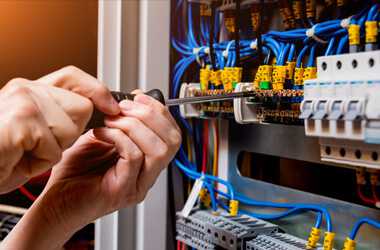
The device wires directly into your main service panel. A Type 2 SPD mounts inside the panel on a two-pole breaker slot and clamps everything downstream — motor kickback from your AC compressor cycling, transients from the fridge starting, and utility-side spikes that make it past your meter. A Type 1 SPD mounts on the line side of the main breaker (before the meter, in some setups) and takes the bigger utility-scale surges — the kind lightning-induced transients produce. Since the 2020 code cycle, NEC 285 requires surge protection on new dwelling service equipment. Retrofitting one to an existing panel is straightforward — one breaker slot, a few inches of wire, and a proper ground bond — and the install typically takes under an hour on a modern panel with an open slot.
A big-box $30 SPD rates around 800-1,200 joules. A properly-specced whole-house SPD is 3,000+ joules, sub-nanosecond response, and a low let-through voltage (typically 600 V or less on a 120 V line — meaning that’s the maximum voltage that makes it through to your electronics during a surge event). We spec utility-grade devices from Eaton (CHSPT2ULTRA), Siemens (FirstSurge FS140), and Square D (HEPD80) — brands that back their devices with 5-, 10-, or lifetime warranties and connected-equipment coverage (up to $75K on some models) that pays out if a downstream device gets fried despite the SPD.
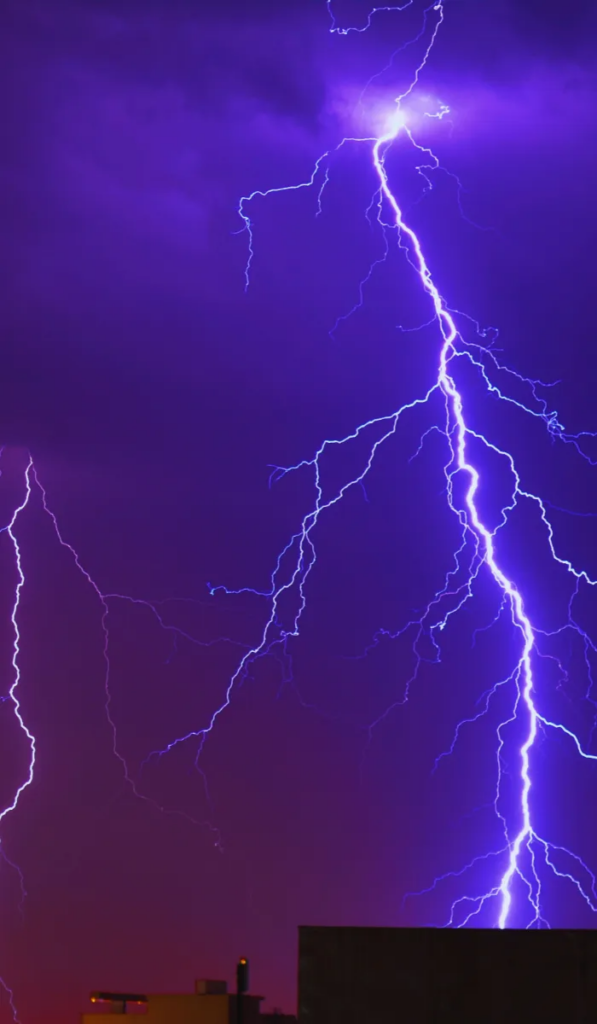
Chicago’s grid throws three surge sources at your electronics on a regular basis: storm-season induced surges from nearby lightning strikes traveling down ComEd lines (the #1 cause of appliance loss during summer thunderstorm season); grid switching transients from ComEd load balancing, generator sync, or equipment cycling that push short but sharp spikes through the service drop; and internal transients when big motors inside your home start (HVAC compressor, well pump, EV charger inrush) and send a downstream surge into electronics sharing the panel. Most homeowner’s insurance policies cover surge-related electronic damage, and many carriers now offer premium discounts for homes with a permitted, licensed-installed whole-house SPD — we provide the install documentation you can hand to your agent.
Licensed-installed whole-house SPDs in Chicago run $350-$650 for device + labor combined, depending on panel type, SPD brand, and whether you’re bundling with a panel upgrade or generator install (which we can do in one visit for a discount). No permit is required for the SPD itself on most existing residential panels. The one caveat: if your panel is aging, corroded, or already at max amperage load, we’ll flag that during the visit — an old panel that can’t safely accept the SPD lug is a signal a panel upgrade should come first.
The 2020+ NEC requires surge protection on new-service installs and major panel upgrades. Existing panels aren’t retroactively required to add one, but code-compliant retrofits are standard practice and support your homeowner’s insurance claim if a surge event happens.
Most Chicago homes need Type 2, which mounts inside the panel and handles both utility-side transients and internal downstream surges. Type 1 is a more aggressive lightning-focused device installed on the line side of the main breaker; we spec Type 1 in homes with an exposed above-ground service drop or homes that have already had a lightning-related loss.
For a residential main panel, look for at least 3,000 joules with a fast clamping response (sub-nanosecond) and a low let-through voltage (600 V or less on a 120 V line). We spec Eaton, Siemens, or Square D utility-grade SPDs with 5+ year warranties.
Whole-house SPDs catch the big utility-side hits before they reach any circuit; strips catch the small residual noise close to your electronics. Best practice is both — whole-house at the panel plus quality strips at critical electronics — for layered protection.
Under an hour for a straightforward Type 2 install on a modern panel with an open breaker slot. Full-service jobs (Type 1 + Type 2, panel upgrade, generator integration) run 2-4 hours.
Sensitive electronics are vulnerable to even small spikes. A whole-house protector keeps your screens and systems safe.
These devices contain delicate microprocessors that can be damaged in an instant. Surge protection helps prevent data loss, hardware failure, and expensive repairs.
Major appliances are expensive to replace. Surge protection reduces wear and extends their lifespan.
Power surges can stress internal components over time, even if they don’t cause immediate failure. A whole-home system helps ensure these essential machines run reliably year after year.
High-tech upgrades need stable power. A surge protector prevents silent damage to your smart home investments.
These systems rely on sensitive electronics that can degrade with even minor voltage fluctuations. Whole-home protection guards your energy-efficient features and helps avoid unexpected breakdowns.
| Feature | Whole-House Surge Protection | Surge Strips |
|---|---|---|
| Coverage | Entire home | Only connected devices |
| Installation | At main panel (by electrician) | Plug-in |
| Durability | 5–10 years | 1–3 years |
| Cost | Higher upfront, more value | Lower upfront, less value |
| Common Use Case | Whole-home protection | Limited temporary use |
Note: Power strips are not true surge protection. Many strips don’t block actual surges. Whole-house protectors are designed to do just that.
Your electronics, appliances, and home systems deserve protection from everyday power spikes and unexpected surges. A professionally installed whole-house surge protector works quietly in the background, guarding your investment 24/7.
Call Mr. Mighty Electric or schedule online for fast, code-compliant installation by licensed electricians. We proudly serve Chicago and nearby suburbs with reliable surge protection built to handle Midwest weather and modern energy demands.