Chicago, IL
Available 24/7 - Please Call for an Appointment
When you plug in a device and see your tester flash “Open Ground,” it’s more than just a minor wiring issue, it’s a potential electrical safety concern.
So, what is an open ground electrical outlet?
An open ground outlet is an electrical receptacle that lacks a proper ground connection, meaning there’s no safe path for excess electrical current to travel in case of a fault. Without grounding, homeowners face higher risks of electric shock, equipment damage, and building code violations.
An open ground outlet is an electrical outlet missing its ground connection—the part of the grounding system that safely redirects electricity into the earth. This is especially common in older homes built before modern electrical codes required grounding.
These outlets often have two prongs instead of three, lacking the third prong used for grounding. Known as two-prong outlets or ungrounded outlets, they can’t protect you or your devices from excess electrical current.
In contrast, a grounded outlet—the modern three-prong outlet—includes a grounding wire and grounding screw that connect to the home’s grounding electrode system or metal box, providing a critical safety pathway.
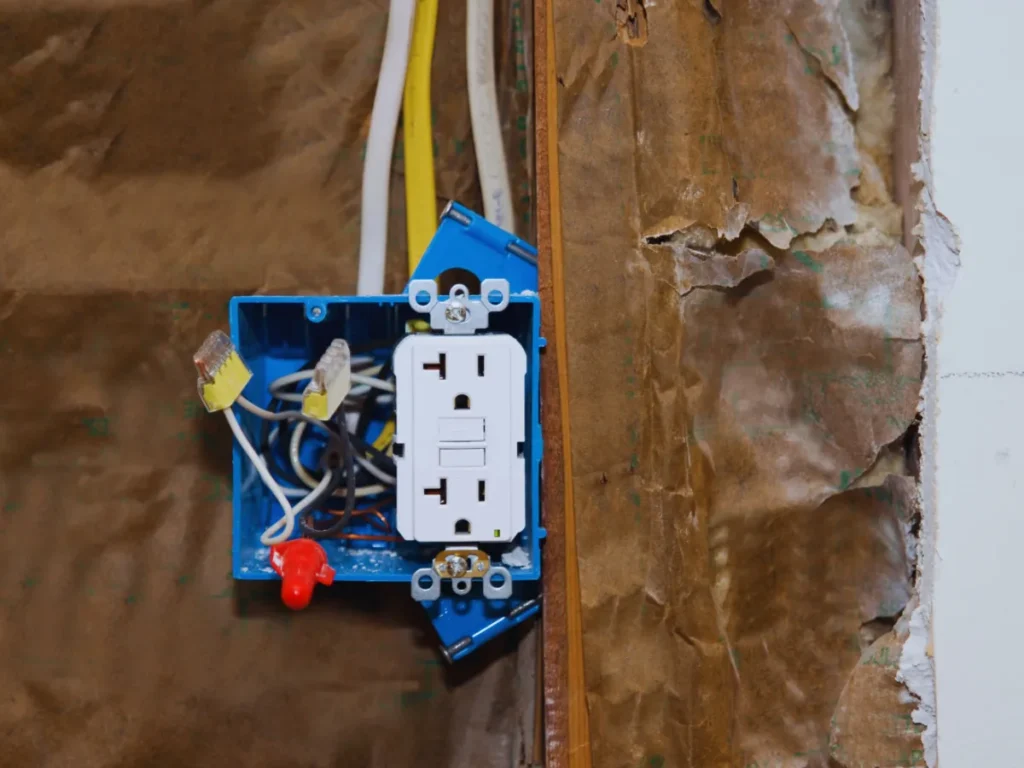
Without proper grounding, an open ground outlet can turn into a safety hazard. Here’s why:
Even though the outlet might still power your devices, the lack of a safe path for electricity makes it unsafe and unreliable.
A simple plug-in tester or circuit tester can identify if an outlet is open ground. Plug it into the electrical outlet, and it will show if the ground connection is missing or faulty.
If your home still has two-prong outlets, chances are they’re ungrounded. Modern homes use three-pronged outlets or three-prong plugs for grounded circuits.
If you notice any of these signs, it’s time to call a qualified electrician.
Several issues can lead to an open ground outlet, including:
Sometimes, the outlet itself is fine, but the grounding system isn’t connected properly inside the electrical panel or metal box.
Continuing to use an open ground outlet can result in more than a mild electric shock. Without a grounding path:
If you suspect an open ground, schedule an electrical inspection to verify and locate the problem.
Use a tester on all outlets to locate open grounds across the circuit.
Inspect the outlet box or breaker panel for a disconnected or missing grounding wire. Only a licensed electrician should perform this safely.
Replace two-prong outlets with three-prong outlets or install a GFCI receptacle. While a ground fault circuit interrupter doesn’t create a ground, it does protect against electrical shocks.
In some older homes, running a new grounding wire or connecting to the home’s grounding electrode system may be necessary.
After any electrical installations, always have an electrical inspection performed by a qualified electrician to ensure everything meets current electrical code.
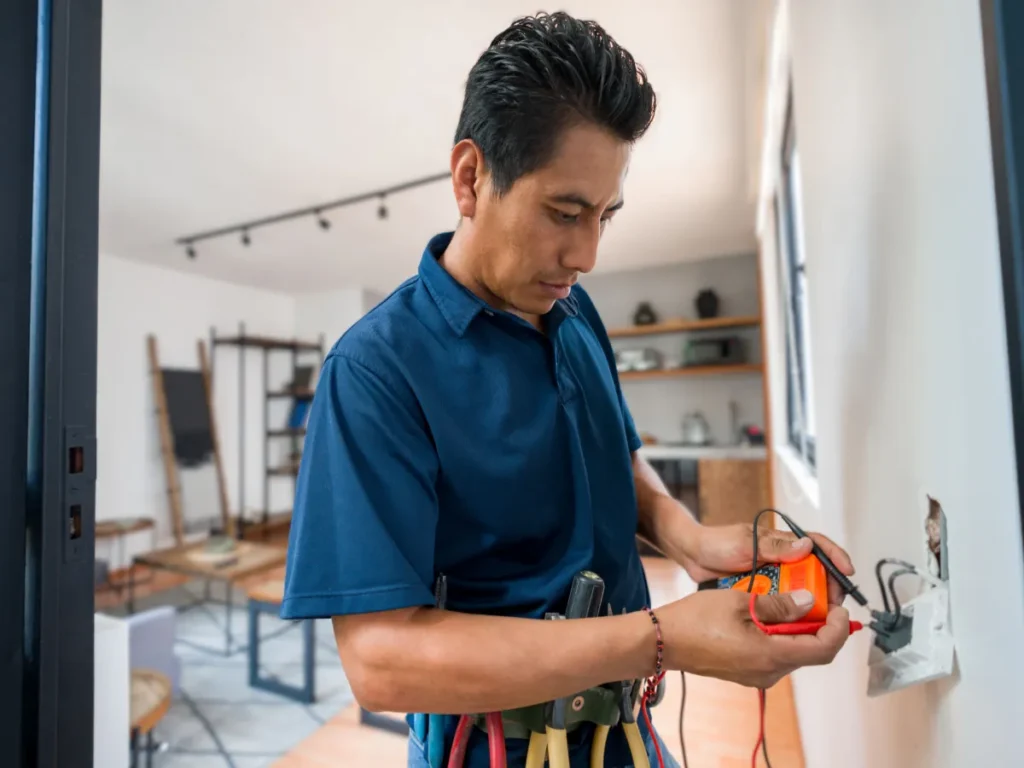
Technically, you can plug in devices and the outlet will work—but it’s not safe. Even with a GFCI receptacle, an open ground outlet remains ungrounded and fails to protect against power surges, lightning strikes, or fault current. Always replace or repair the outlet rather than ignore it.
A reliable grounding system is the foundation of electrical safety in every home. It provides a safe path for stray electrical current during faults, preventing electric shocks, fires, and damage.
It also:
Neglecting grounding can lead to costly repairs, insurance issues, or failed home inspections during resale.
The good news? Once you correct open grounds, your home becomes much safer, compliant, and better protected against electrical hazards.
Yes. It can cause electric shocks, damage devices, and increase fire risk.
Only minor tasks like testing are DIY-safe. Upgrades should always be done by a licensed electrician.
A GFCI receptacle provides shock protection but does not create a real ground connection.
Yes, but it’s unsafe. The outlet still powers devices, but without protection.
Repairs vary depending on your electrical wiring and the number of outlets—your qualified electrician can provide an estimate after inspection.
Addressing open ground outlets isn’t optional. It’s essential. They pose hidden safety risks, violate building codes, and can fail during a home inspection.
Ensuring every electrical outlet in your home is properly grounded protects you, your family, and your electronics.
If you suspect your outlets are open ground or your wiring is outdated, contact Mr Mighty Electric, your trusted local electricians. Our team of licensed electricians specializes in diagnosing, repairing, and upgrading outlets so you can enjoy a safe, code-compliant home.